As Discovery Car Price Forecast 2026: What Germany Should Expect takes center stage, this opening passage beckons readers with a captivating glimpse into the world of car pricing. With a blend of intricate details and insightful analysis, this piece promises to provide a comprehensive look at what lies ahead for Germany’s automotive market.
The subsequent paragraphs will delve deeper into the key factors, market trends, and consumer behavior shaping the forecast for 2026.
Overview of the Discovery Car Price Forecast 2026
In the Discovery Car Price Forecast 2026, several key factors have been identified that will influence the prices of cars in Germany. These factors include technological advancements, changes in consumer preferences, economic conditions, and government regulations.
The methodology used to predict the prices involved analyzing historical data, conducting market research, and considering expert opinions in the automotive industry. Machine learning algorithms were also employed to forecast future trends accurately.
Comparison with Previous Years’ Data
- The forecast for 2026 shows a significant increase in the prices of electric vehicles due to advancements in battery technology and an increased focus on sustainability.
- Conventional fuel-powered cars are expected to see a slight decrease in prices as demand shifts towards electric and hybrid vehicles.
- Overall, the car market in Germany is projected to experience a moderate price increase compared to previous years, driven by a combination of factors such as inflation, supply chain disruptions, and changing consumer behavior.
Factors Impacting Car Prices in Germany
When it comes to determining car prices in Germany, various factors come into play, influencing the final cost that consumers have to pay. These factors can range from economic conditions to technological advancements and government regulations.
Economic Factors
- The state of the economy, including factors like inflation rates, interest rates, and overall consumer confidence, can significantly impact car prices in Germany. During times of economic prosperity, people may be more willing to spend on higher-priced vehicles, leading to an increase in car prices.
Conversely, during economic downturns, there may be a decrease in demand, prompting manufacturers to lower prices to attract buyers.
- Exchange rates can also play a role in determining car prices, especially for vehicles that are imported or have components sourced from other countries. Fluctuations in exchange rates can lead to changes in the cost of manufacturing and importing cars, ultimately affecting the final retail price.
Technological Advancements
- Advancements in technology, such as the development of electric vehicles (EVs) and autonomous driving features, can impact car prices in Germany. EVs, for example, tend to be priced higher due to the cost of battery technology and manufacturing processes.
As these technologies become more mainstream and production costs decrease, we may see a shift in pricing towards more affordable electric options.
- Features like advanced safety systems, infotainment systems, and connectivity options can also influence car prices, as manufacturers invest in developing and implementing these technologies to meet consumer demands.
Government Regulations
- Government regulations, such as emission standards and safety requirements, can have a direct impact on car prices in Germany. Stricter regulations may lead to increased manufacturing costs for carmakers, which could be passed on to consumers through higher prices.
- Incentives and subsidies for eco-friendly vehicles, on the other hand, can help reduce the cost of certain cars, making them more affordable for consumers. These incentives can influence the pricing strategy of car manufacturers and affect the overall market dynamics.
Market Trends in the Automotive Industry
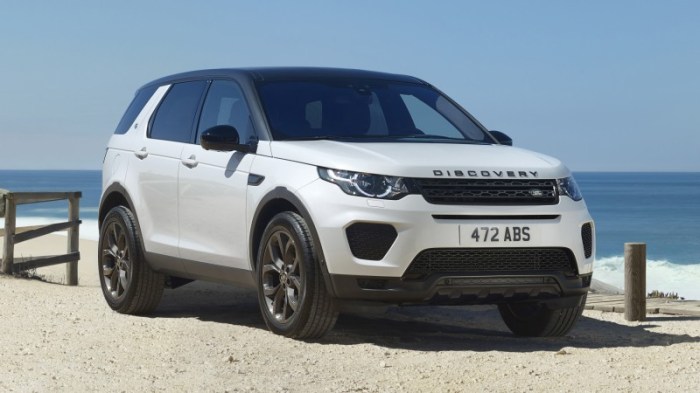
The automotive industry in Germany is constantly evolving, with several key trends shaping the market landscape. One of the most significant trends is the increasing shift towards electric and hybrid vehicles, driven by environmental concerns and government regulations. This shift is not only impacting the types of vehicles being produced but also influencing consumer preferences and pricing strategies.
Electric and Hybrid Vehicles
The demand for electric and hybrid vehicles in Germany has been steadily rising in recent years. This trend is driven by a growing awareness of environmental issues and the need to reduce carbon emissions. As a result, many automakers are investing heavily in the development of electric and hybrid models, with a focus on improving battery technology and increasing driving range.
Consumers are also becoming more interested in electric and hybrid vehicles, thanks to advancements in technology and a wider range of options available in the market. The German government’s push for sustainability and the introduction of incentives for electric vehicle buyers have further accelerated the adoption of these eco-friendly alternatives.
Consumer Preferences and Pricing
Consumer preferences play a significant role in shaping the automotive market in Germany. As more consumers prioritize sustainability and fuel efficiency, automakers are adjusting their product offerings to meet these changing demands. This shift towards electric and hybrid vehicles has also influenced pricing strategies, with many manufacturers offering competitive prices to attract environmentally conscious buyers.
Additionally, factors such as brand reputation, vehicle performance, and technological features also impact consumer decisions and pricing in the automotive industry. Automakers are constantly innovating to meet consumer expectations and differentiate themselves in a competitive market.
Competitive Landscape of Car Manufacturers
Germany is home to some of the world’s most renowned car manufacturers, each with its own unique pricing strategies and market positioning. These manufacturers play a significant role in shaping the competitive landscape of the automotive industry in the country.
Key Car Manufacturers in Germany
- BMW: Known for its luxury vehicles and innovative technology, BMW targets a premium segment of the market with relatively higher prices compared to competitors.
- Volkswagen: As one of the largest car manufacturers globally, Volkswagen offers a wide range of vehicles at varying price points, catering to different consumer preferences.
- Mercedes-Benz: Renowned for its luxury cars and advanced safety features, Mercedes-Benz positions itself as a high-end brand with premium pricing.
- Audi: Audi focuses on blending performance and luxury in its vehicles, with competitive pricing that appeals to a broad range of consumers.
Pricing Strategies of Different Manufacturers
- BMW: Emphasizes brand prestige and cutting-edge technology to justify premium pricing.
- Volkswagen: Offers a diverse portfolio of vehicles at various price points to target a wider customer base and enhance market share.
- Mercedes-Benz: Leverages its reputation for luxury and safety to command higher prices and maintain exclusivity in the market.
- Audi: Strikes a balance between performance and luxury, pricing its vehicles competitively to attract a broader audience while upholding brand value.
Impact of Competition on Pricing
Competition among car manufacturers in Germany drives innovation, quality improvements, and competitive pricing strategies to attract customers and gain market share.
- Intense competition compels manufacturers to offer value-added features, promotions, and pricing discounts to stay ahead in the market.
- Rivalry fosters continuous product development and technological advancements, benefiting consumers with a wide array of choices at different price points.
- Market competition can lead to price wars and aggressive marketing tactics, influencing consumer perceptions and purchase decisions.
Consumer Behavior and Price Sensitivity
Consumer behavior plays a crucial role in influencing car prices in the German market. Understanding how consumers perceive and value different car features and brands is essential for automakers to make pricing decisions that align with market demand.
Role of Brand Loyalty in Pricing Decisions
Brand loyalty can significantly impact pricing decisions in the automotive industry. Customers who are loyal to a particular brand may be willing to pay a premium for that brand’s vehicles, allowing manufacturers to set higher prices. This loyalty can be cultivated through consistent quality, customer service, and brand image, influencing consumers’ willingness to pay more for a car from a trusted brand.
Price Sensitivity of Consumers in the German Market
German consumers are known for their discerning taste and high expectations when it comes to quality and performance. However, they are also price-sensitive and value-conscious, especially in the current economic climate. As a result, automakers need to strike a delicate balance between offering high-quality vehicles and competitive pricing to attract and retain customers in the German market.
Understanding the price sensitivity of consumers is crucial for setting competitive prices and maintaining market share.
Last Point
In conclusion, the discussion on Discovery Car Price Forecast 2026: What Germany Should Expect illuminates the complex interplay of various factors influencing car prices. By examining market trends, competitive landscapes, and consumer behaviors, we gain a clearer understanding of what the future holds for car pricing in Germany.
Popular Questions
What are the key factors influencing the Discovery Car Price Forecast 2026?
The key factors include economic conditions, technological advancements, government regulations, market trends, and consumer behavior.
How do technological advancements impact car pricing in Germany?
Technological advancements can lead to changes in manufacturing costs, which in turn affect car prices. Features like electric and hybrid technologies can also influence pricing.
What is the role of brand loyalty in pricing decisions in the automotive industry?
Brand loyalty can impact pricing decisions as customers may be willing to pay more for a trusted brand, allowing manufacturers to set higher prices for their vehicles.
Are consumers in the German market price-sensitive when it comes to cars?
Consumer price sensitivity can vary, but factors like economic conditions, competition, and consumer preferences play a significant role in determining how price-sensitive buyers are in the automotive market.